AI search updates
GEO guides for AI search teams
New GEO guides, product explainers, and ranking context to help teams understand how AI engines retrieve, cite, and recommend brands.
Latest articles
Fresh updates for AI search teams.
Showing 15 of 85 articles
Comparisons & Reviews
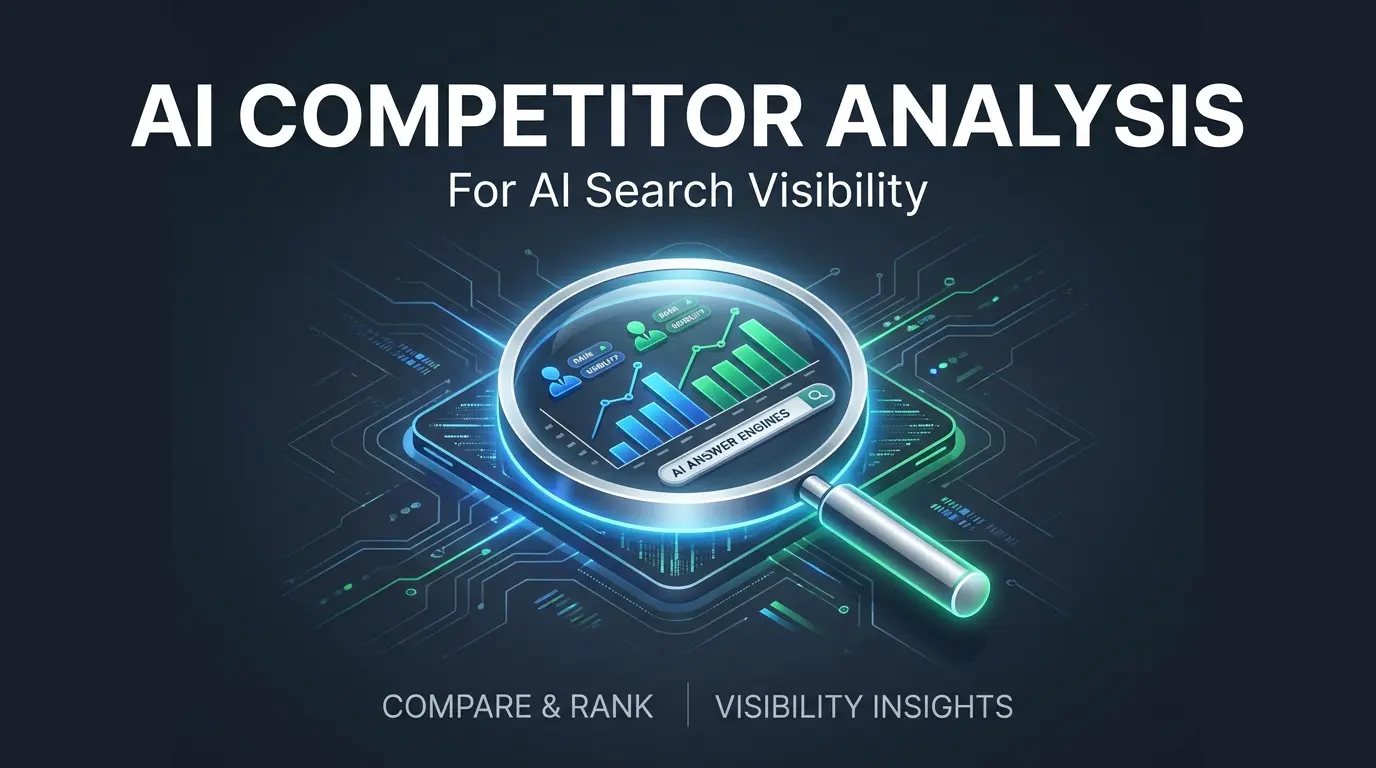
How to Run AI Competitor Analysis for AI Search Visibility
AI competitor analysis compares how often your brand and competitors appear, rank, get cited, and receive favorable answer positions across AI answer engines.
Comparisons & Reviews
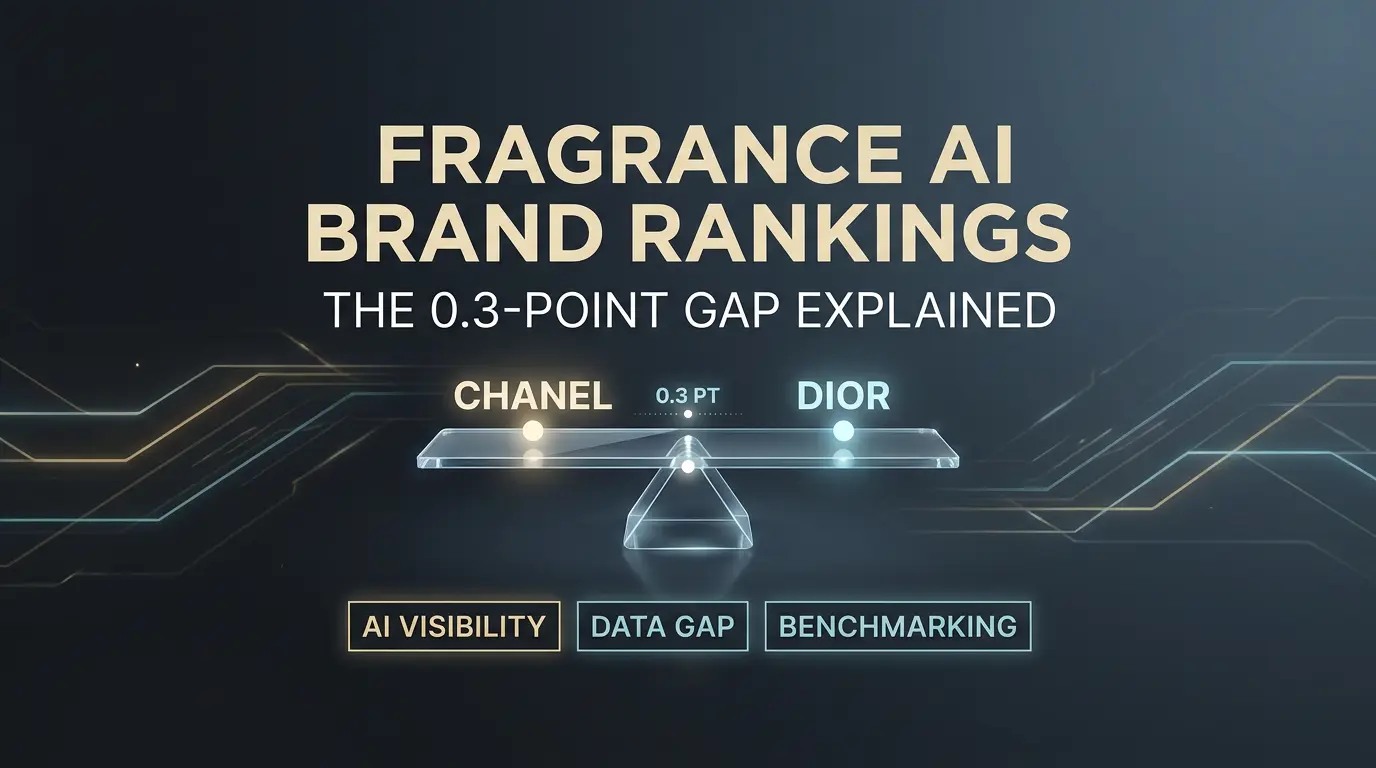
Fragrance AI Brand Rankings: Why a 0.3-Point Gap Changes How Brands Should Read AI Leaderboards
The Fragrance AI leaderboard shows a tight visibility race: Chanel leads, but Dior is only 0.3 AI Index points behind. This analysis explains how to read score gaps, mention rates, engine coverage, and public benchmarks without confusing AI visibility with product quality or market share.
Comparisons & Reviews
DeepSeek Personal Care AI Rankings: What One Engine Reveals That Overall Leaderboards Hide
The DeepSeek Personal Care leaderboard shows why brands should not rely only on one overall AI ranking. Engine-specific views can reveal model-level visibility differences, outlier signals, and private tracking opportunities across AI answers.
Comparisons & Reviews
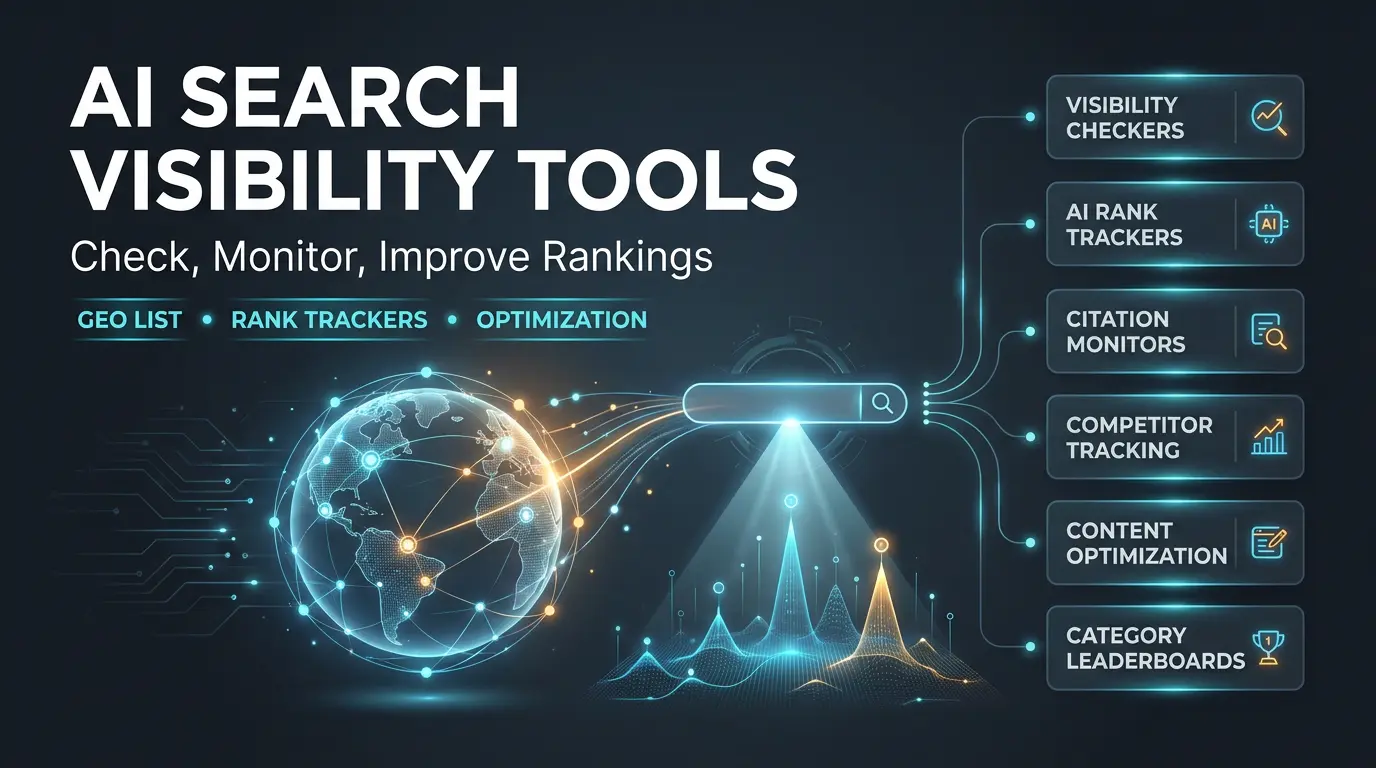
GEO Tools List for AI Search Visibility: Which Tools Help You Check, Monitor, and Improve AI Rankings?
GEO tools are not one single category. This practical list organizes GEO tools by use case, including free visibility checkers, AI search visibility platforms, AI rank trackers, citation monitors, competitor tracking tools, content optimization tools, and category leaderboards.
Comparisons & Reviews
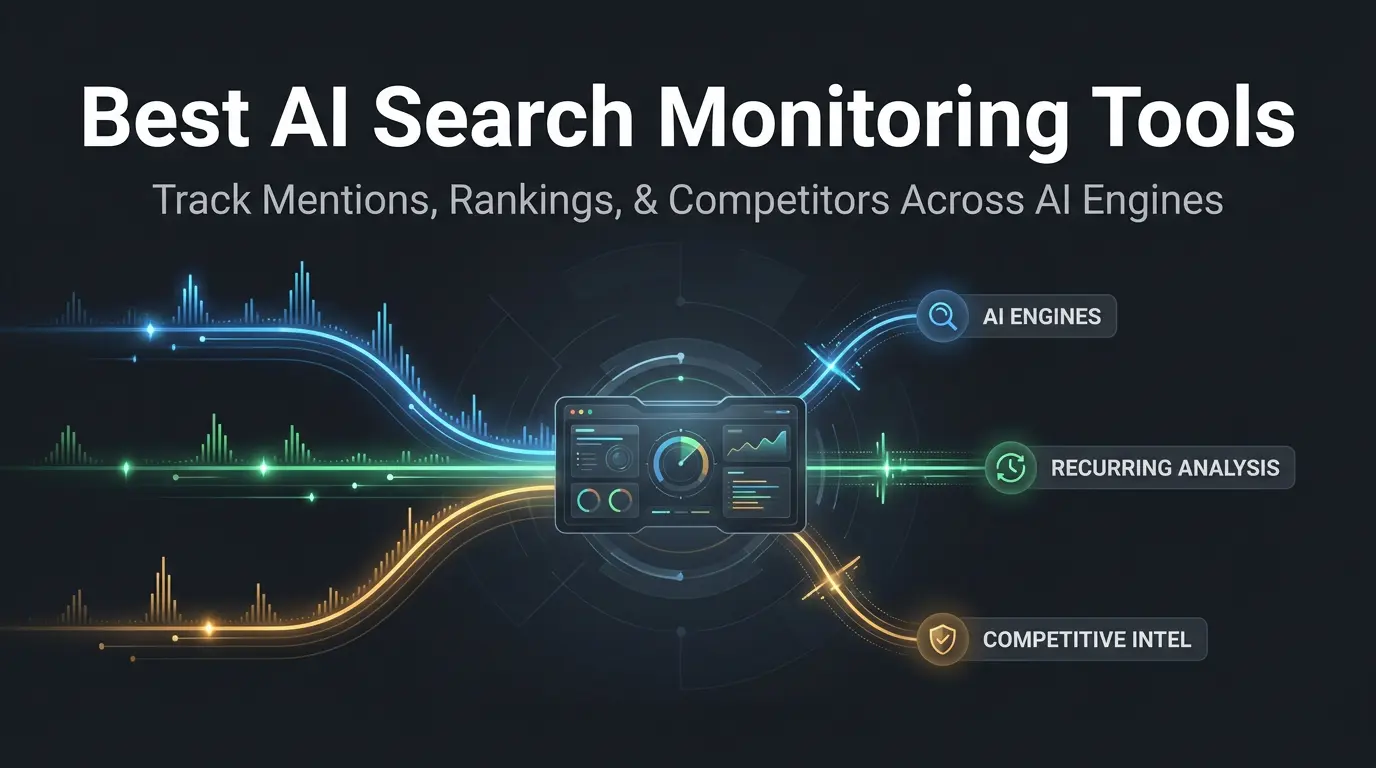
Best AI Search Monitoring Tools: How to Track Brand Mentions, Rankings, and Competitors Across AI Engines
AI search monitoring tools help teams track how brand visibility changes across AI answers over time. This guide explains what to monitor, how monitoring differs from one-time checking, and how to compare tools for recurring GEO and competitive analysis.
Comparisons & Reviews
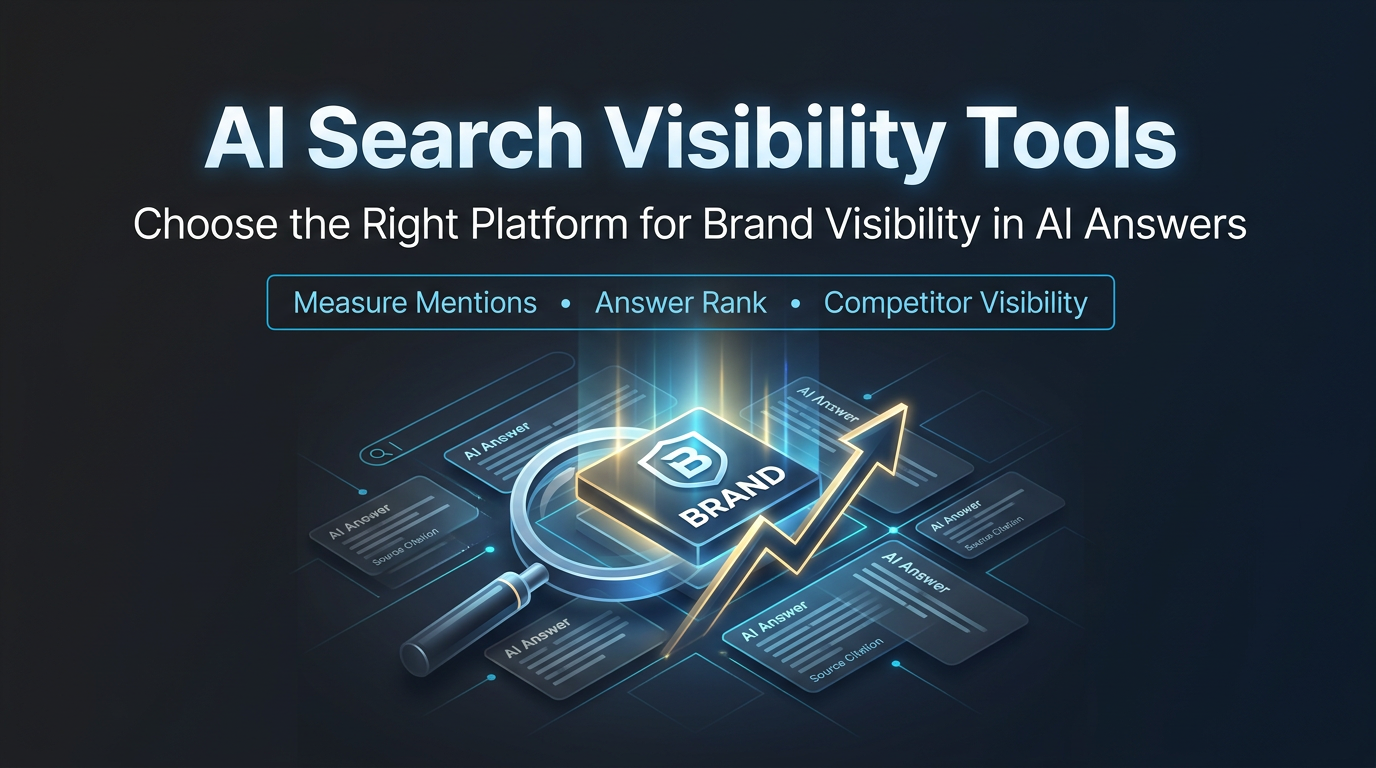
Best AI Search Visibility Tools: How to Choose the Right Platform for Brand Visibility in AI Answers
The best AI search visibility tools do more than check whether your brand was mentioned once. They help teams measure brand mentions, answer rank, citations, competitor visibility, category accuracy, and recurring trends across AI-generated answers.
Academic/Research
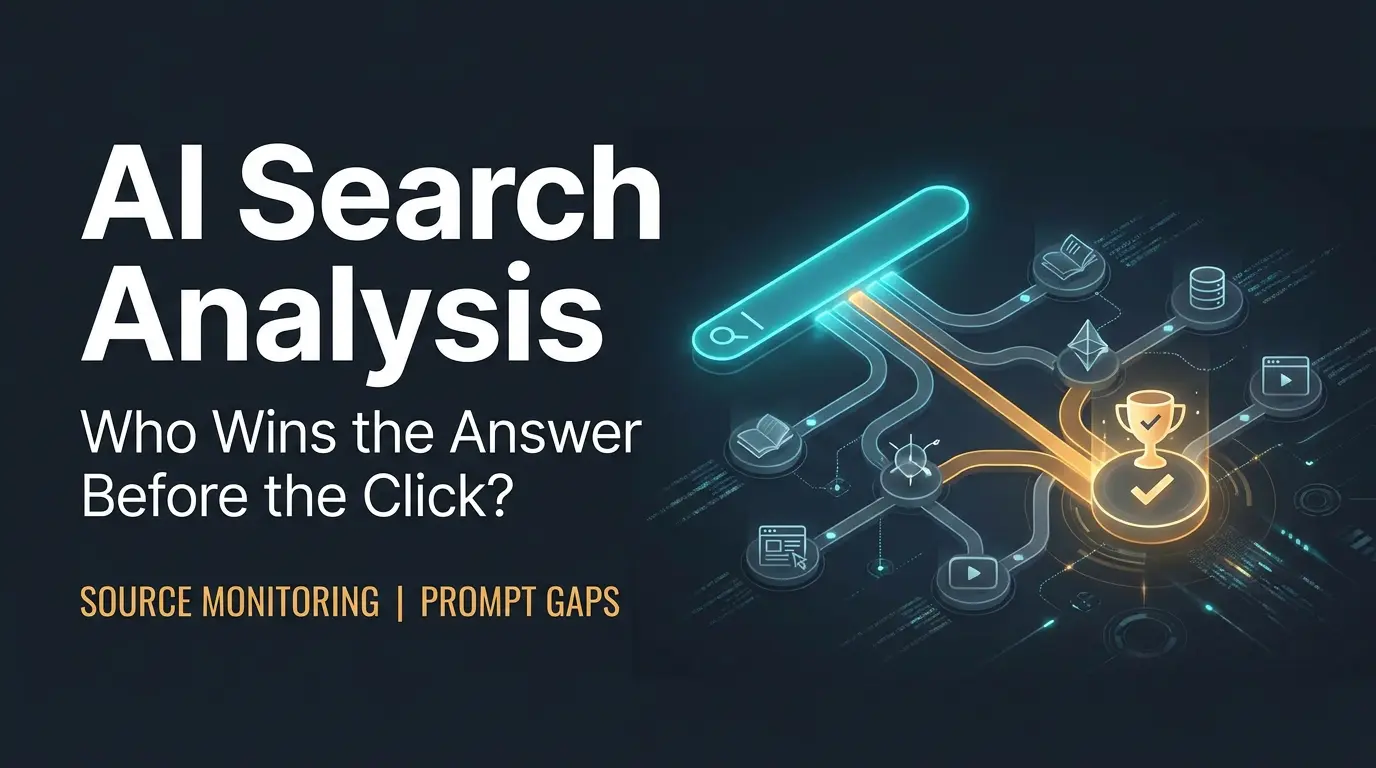
AI Competitor Analysis for AI Search: How to Monitor Who Wins the Answer
AI competitor analysis tracks which brands, sources, and prompt gaps shape AI-generated answers before users ever click a result.
Comparisons & Reviews
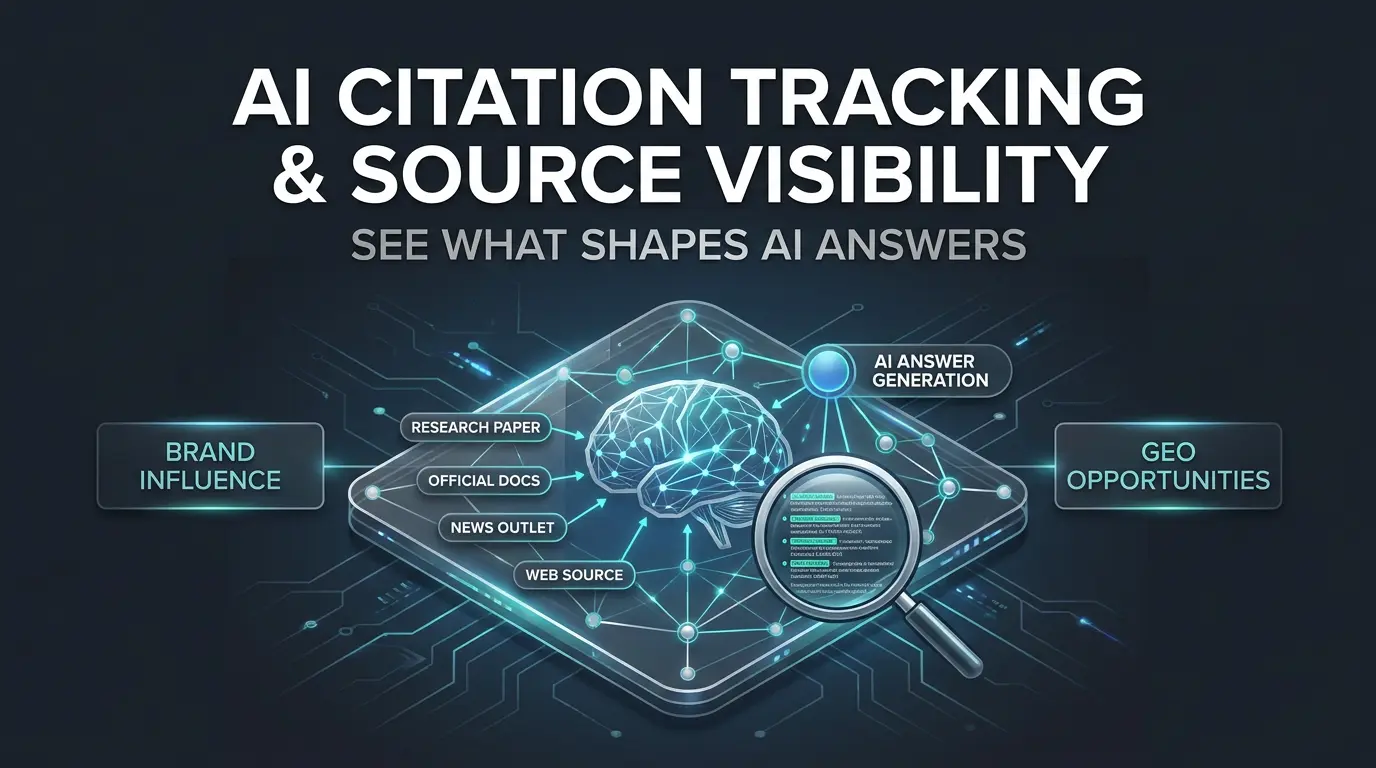
AI Citation Tracking and Source Visibility: How to See What Shapes AI Answers
AI citation tracking helps teams see which sources AI answers cite, how those sources shape brand visibility, and where citation gaps create GEO opportunities.
Comparisons & Reviews
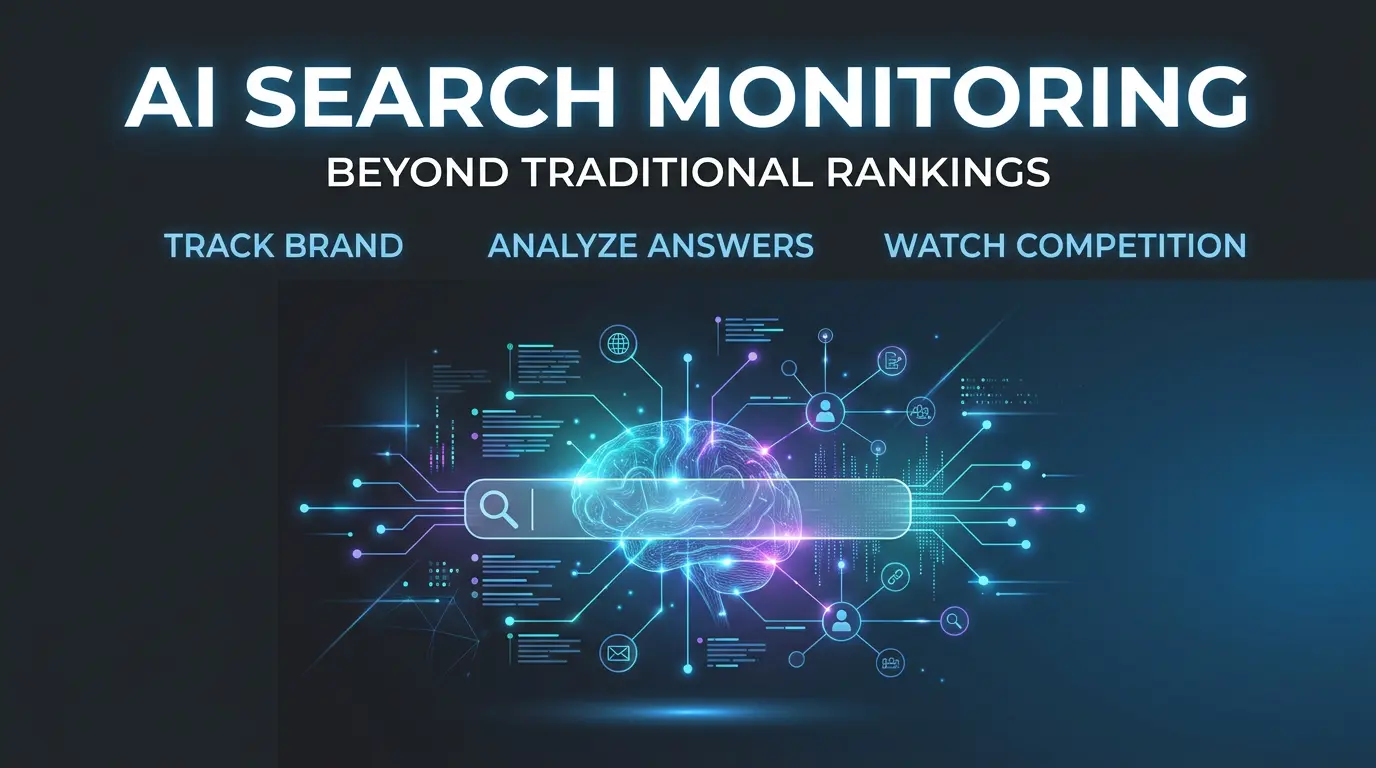
Best AI Search Monitoring Tools: What to Track Beyond Traditional Rankings
AI search monitoring tools help teams track brand mentions, answer position, citations, competitor presence, prompt coverage, saved snapshots, and changes across AI answers. This guide explains what to compare before choosing a recurring AI search monitoring workflow.
Academic/Research
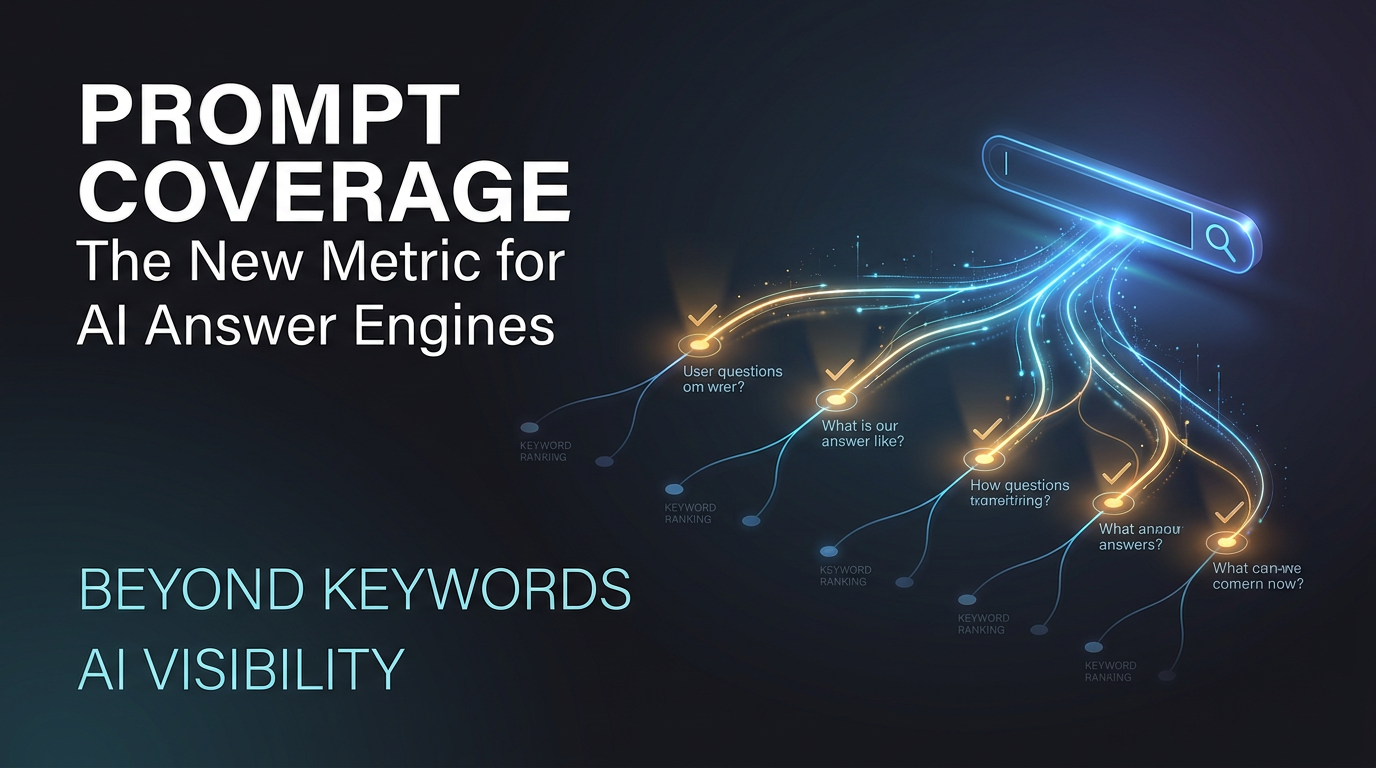
Prompt Coverage: The New Keyword Coverage for Answer Engines
Prompt coverage measures how much of the real user question space a brand covers inside AI-generated answers.
Comparisons & Reviews
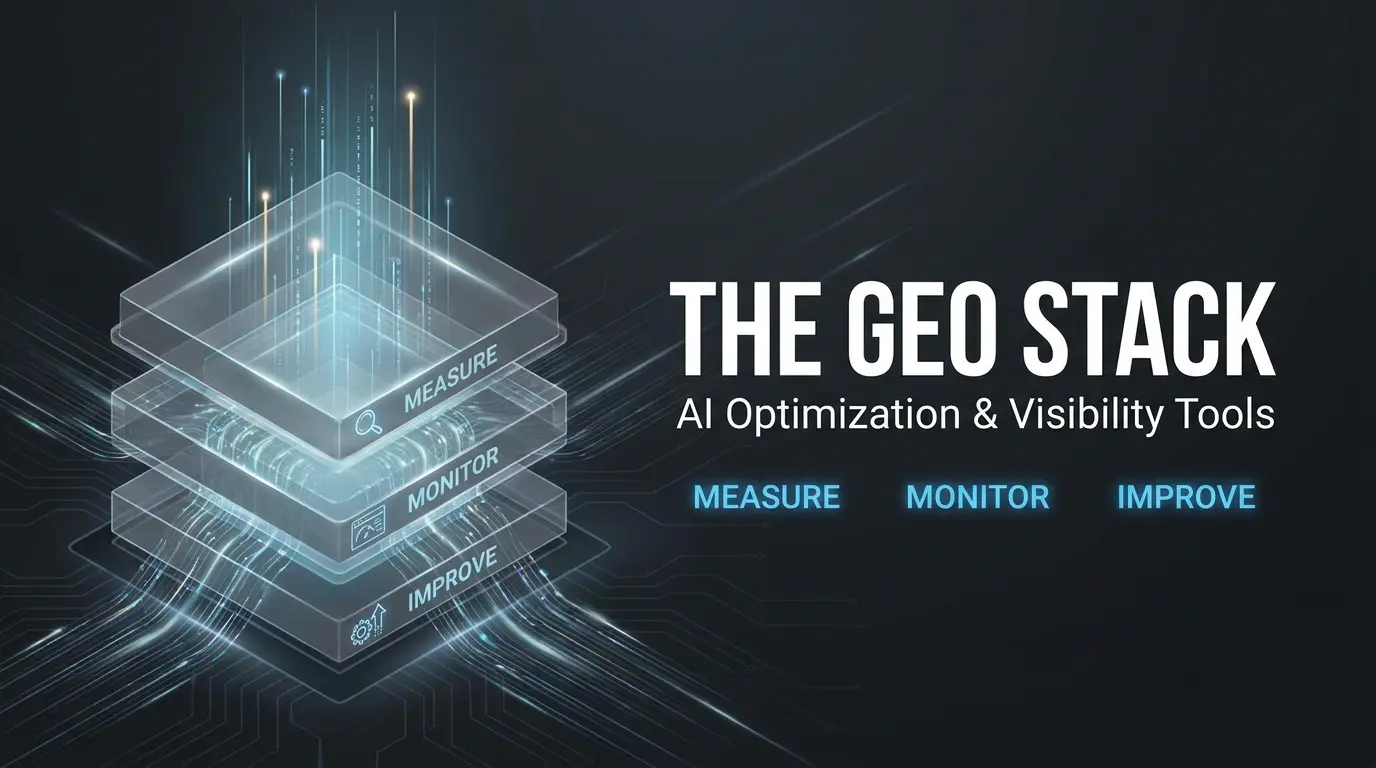
Best Generative Engine Optimization Tools: What Belongs in a GEO Stack?
Generative Engine Optimization tools should help teams measure, monitor, and improve how brands appear in AI-generated answers. This guide explains the main GEO tool categories, comparison criteria, and where AIvsRank fits across free diagnostics, AI visibility tracking, and recurring GEO workflows.
Academic/Research
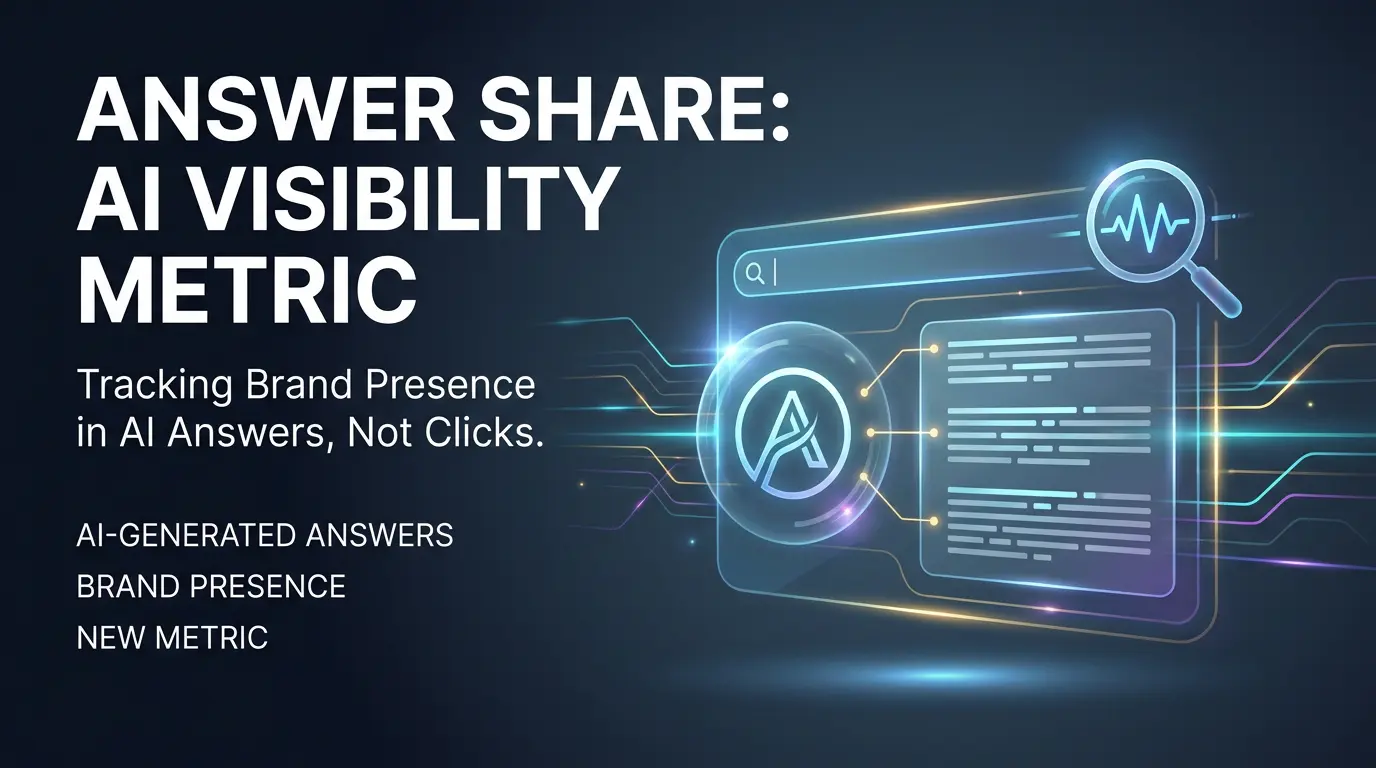
Answer Share: A New Metric for Brand Visibility in AI Answers
Answer share measures how often a brand appears inside relevant AI answers, even when the user never clicks a source link.
Comparisons & Reviews
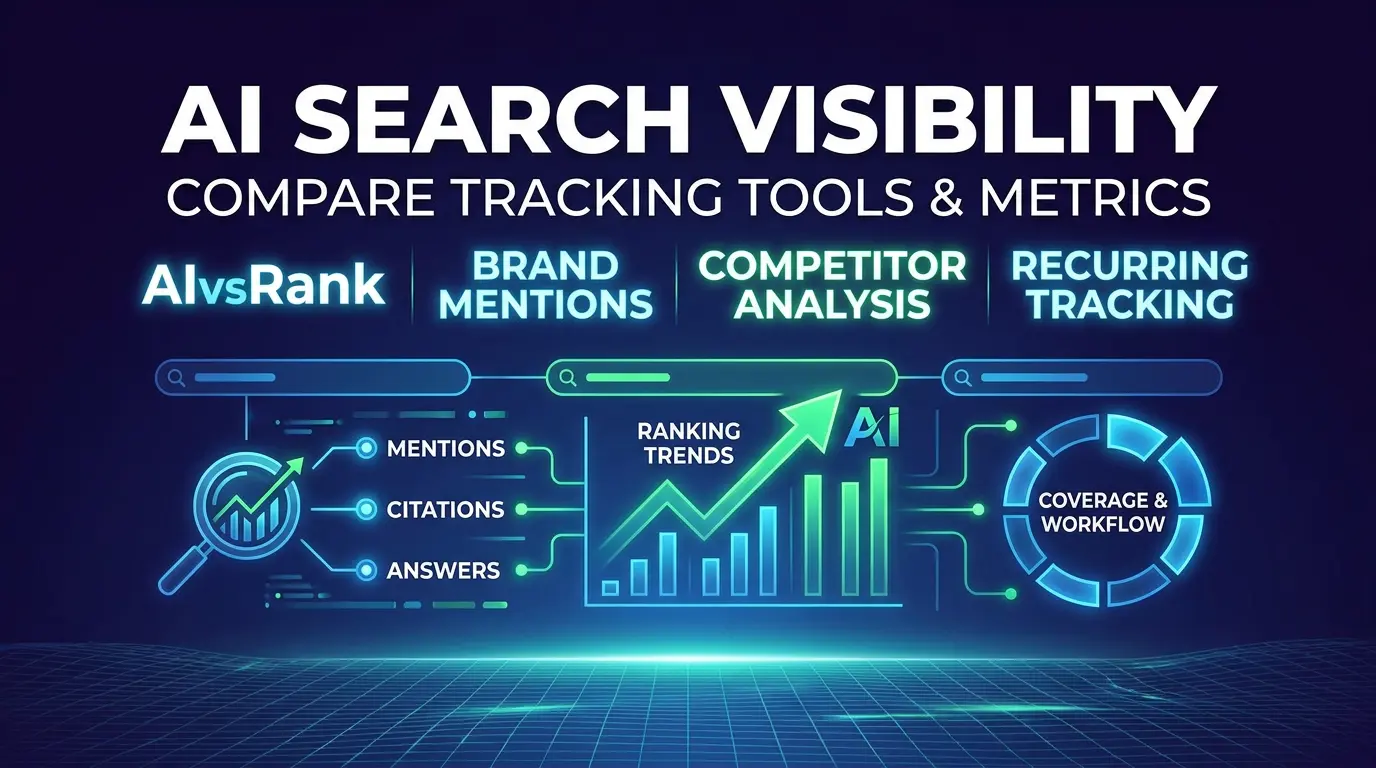
Best AI Search Visibility Tools: What to Compare Before Choosing One
The best AI search visibility tool depends on what you need to measure: brand mentions, answer position, prompt coverage, citations, competitor visibility, saved snapshots, or optimization workflow. This guide compares the main tool categories and explains where AIvsRank fits in a recurring AI rank tracking workflow.
Comparisons & Reviews
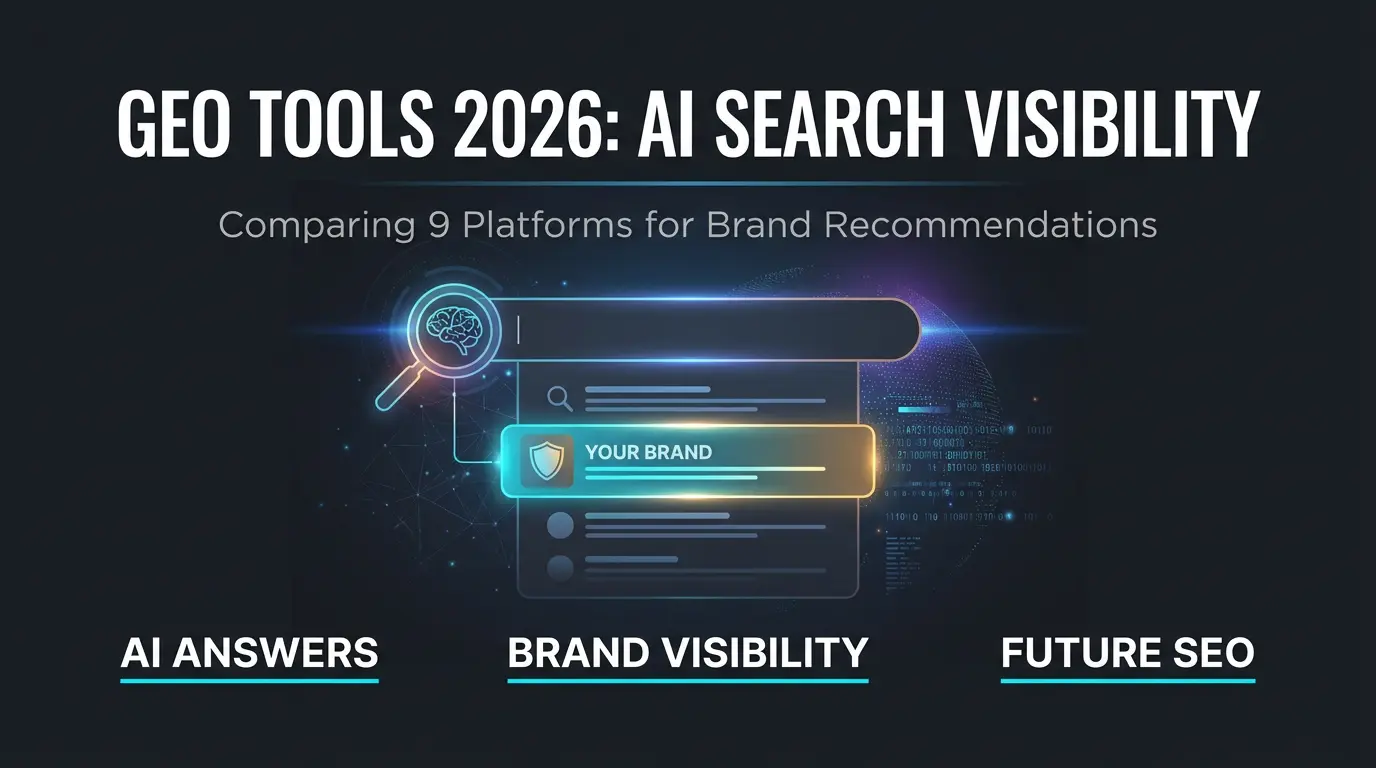
Best GEO Tools for AI Search Visibility in 2026: 9 Platforms Compared
A practical comparison of nine GEO tools for tracking AI search visibility, brand mentions, citations, prompt gaps, and competitor presence in 2026.
Newsletter
Stay updated on AI search visibility.
Subscribe to be notified when new GEO guides, AI ranking context, and product explainers publish.